
Summer brings long days, strong sun, and rising temperatures. Yards may look healthy early on, but weeks without steady rain can quickly change that. Heat builds in the soil, moisture declines, and trees work harder to survive. Even mature trees can struggle when dry conditions continue for too long. When soil stays dry and heat remains high, roots can’t absorb enough water to replace what leaves lose each day, creating stress. In Central IL, this is common in mid to late summer, and damage often isn’t noticed until the canopy begins to change. By then, stress has usually been building for some time. At Kresse Tree Wurxx, we often see issues develop slowly before they become visible. This blog explains why summer heat stresses trees, what warning signs to watch for, and simple ways to help reduce long-term damage.
Why Heat and Drought Put Trees Under Pressure
Trees depend on a steady balance of water, nutrients, and oxygen moving through their roots and leaves. In hot weather, that balance becomes harder to maintain. Higher temperatures cause trees to lose moisture more quickly through transpiration, while dry soil limits the amount of water the roots can take in. When this continues over time, trees respond by conserving energy. Growth slows, and leaf activity decreases to help reduce water loss. Extended heat and drought can also weaken root systems, limit nutrient uptake, and leave trees more exposed to pests and disease. In many landscapes, conditions like compacted soil, pavement, and limited root space make the problem worse. These factors increase ground temperatures and reduce the soil’s moisture-holding capacity, making recovery even more difficult during dry periods.
Signs Your Tree May Be Struggling
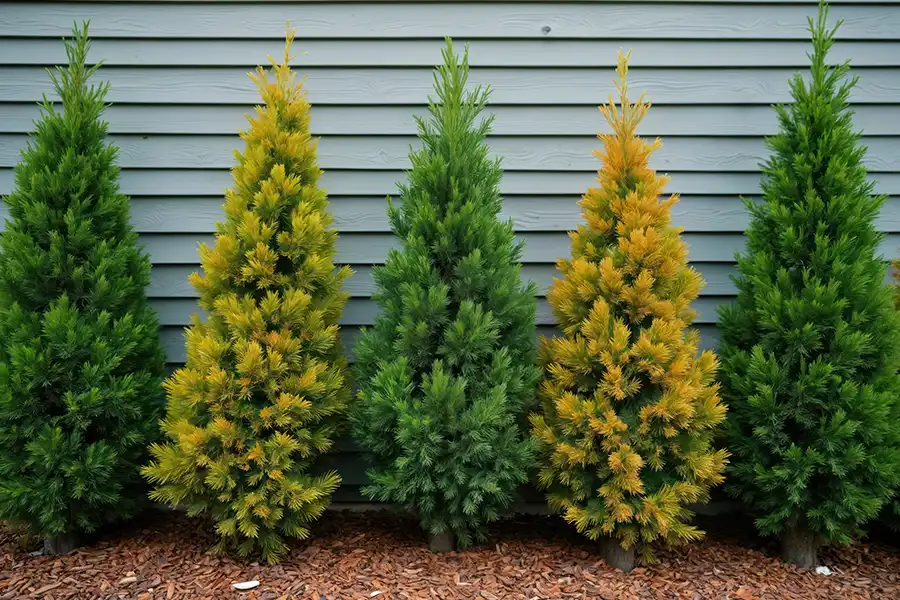
Tree stress usually shows up in stages, and the earliest signs are easy to miss if you’re not looking closely. One of the first things people notice is a change in leaf color or texture. Leaves may start to curl, turn brown around the edges, or feel dry and brittle. In some cases, they may look fine in the morning but wilt during the hottest part of the day. You might also see leaves dropping earlier than normal or thinning areas in the canopy where foliage looks less full. Some trees shed leaves to conserve water when conditions get tough. The soil can also tell you a lot. If the ground around the base is hard, cracked, or pulling away from the trunk, it’s often a sign that moisture levels are too low. None of these signs always means a tree is beyond help, but they do indicate that it’s under pressure and needs attention.
Long-Term Effects of Ongoing Stress
When heat and drought conditions persist throughout the season in Central, IL, the impact extends beyond what you can see above ground. Roots can begin to weaken, especially if dry conditions persist for weeks. Once root systems are affected, it becomes harder for the tree to recover, even when rain returns. Trees under stress also become more vulnerable to insects and disease. A healthy tree can usually defend itself, but a weakened one doesn’t have the same level of protection. Over time, you may also see branch dieback or uneven growth as the tree redirects its energy to survival instead of development. In severe cases, long-term stress can shorten a tree’s overall lifespan.
Simple Ways to Reduce Tree Stress
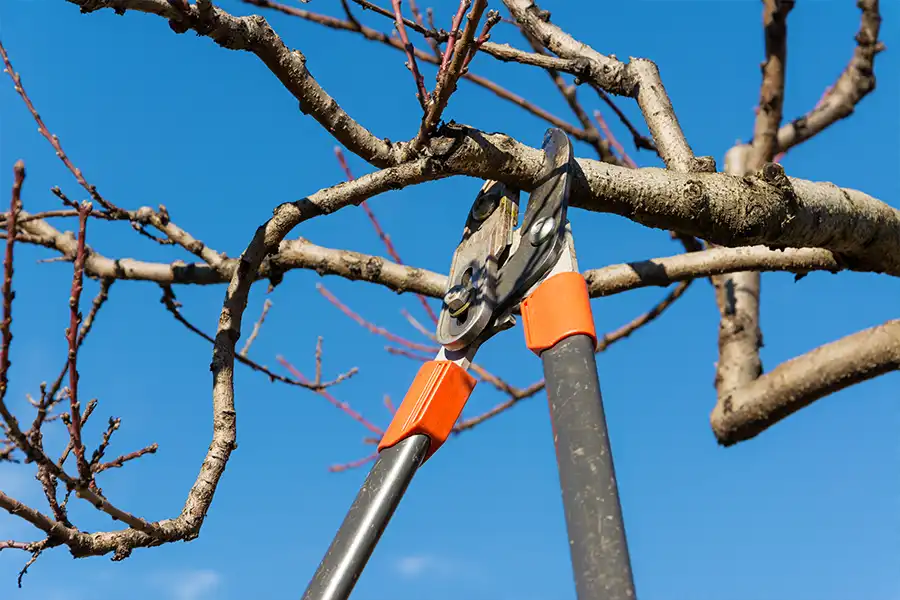
One of the most effective ways to support trees during hot weather is deep watering. Instead of frequent shallow watering, it’s better to water slowly so moisture reaches deeper into the soil where roots can actually use it. Adding mulch around the base of a tree can also help. It keeps the soil cooler, reduces evaporation, and helps maintain more stable moisture levels. Just be sure not to pile it directly against the trunk. It also helps to avoid heavy pruning during extreme heat. Trees already under stress need their leaves to support energy production, so removing too much can make things worse.
Keeping an eye on your trees throughout the summer is one of the simplest but most important steps. Catching early signs of stress can make a big difference in how well a tree recovers. Kresse Tree Wurxx also offers professional plant health care services that focus on long-term tree health, helping identify issues early and support stronger growth before problems become serious.
When to Bring in a Professional Kresse Tree Wurxx
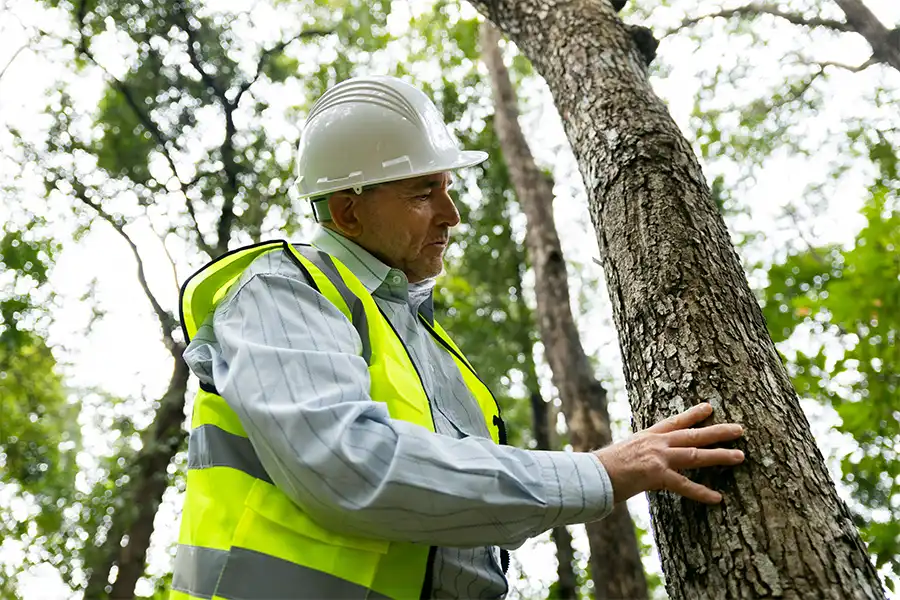
If a tree is losing a large number of leaves, showing major branch dieback, or continues to decline even with proper watering, it may be time to have it looked at. A trained arborist can evaluate root health, soil conditions, and overall structure to determine what’s happening beneath the surface. In many cases, early intervention can prevent further decline and help stabilize the tree. Summer stress is something most trees experience at some point, especially during hot, dry stretches.
While it’s common, it shouldn’t be ignored. Small changes in leaves, soil, or growth patterns can be early signs that a tree needs support. With the right care and attention, many trees can recover once conditions improve. Kresse Tree Wurxx helps property owners in Central Illinois understand what their trees are going through and how to respond before minor stress turns into lasting damage. To learn more about protecting your trees during summer heat and drought, contact our team at 217.306.2616.