
Spring is one of the most important seasons for maintaining healthy trees on your property. After a long Central Illinois winter, trees often need attention to recover from cold temperatures, heavy snow, and seasonal storms. Proper spring tree care helps promote strong growth, prevents potential hazards, and keeps your landscape looking its best throughout the year. For homeowners in Central IL, early-season tree care can make a major difference in the health and longevity of trees. Addressing minor issues in spring can prevent larger problems later in the year.
Whether you have mature shade trees or newly planted ornamental trees, following a spring tree care checklist helps ensure your property stays safe, beautiful, and well-maintained.
Reach out to Kresse Tree Wurxx today to schedule professional tree care services and keep your Central Illinois trees healthy this spring.
Why Spring Tree Care Is Essential in Central Illinois
Trees in Central Illinois experience a wide range of weather conditions throughout the year. Winter storms, freezing temperatures, and strong winds can all take a toll on branches, trunks, and root systems. When spring arrives, trees begin their active growing season, making it the ideal time to inspect for damage and address potential concerns.
Spring tree care helps trees recover from winter stress while preparing them for the months ahead. During this time, trees begin producing new leaves and branches, which means they require proper nutrients, pruning, and structural support.
Ignoring tree maintenance early in the season can allow small issues to become serious hazards. Dead limbs, weak branches, or disease can worsen as the growing season progresses. Regular tree care not only protects the health of your trees but also helps maintain the safety and appearance of your property.
Homeowners across Central Illinois trust experienced professionals to evaluate their trees and provide expert care that supports long-term growth and stability.
Inspect Your Trees for Winter Damage
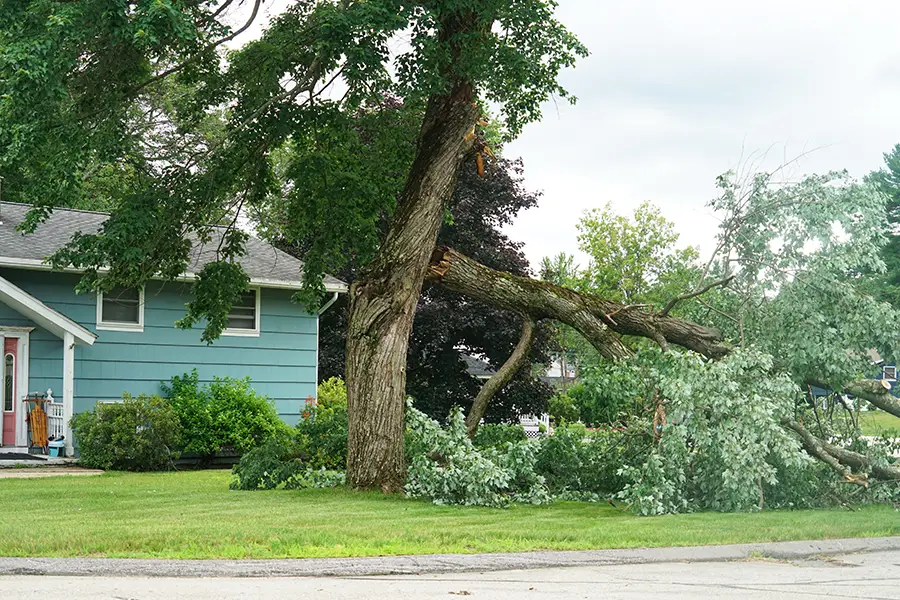
One of the first steps in any spring tree care checklist is inspecting your trees for signs of winter damage. Cold temperatures and winter storms can cause branches to crack, split, or break entirely. These weakened areas can pose safety risks if they are not addressed promptly.
Take time to walk around your property and look closely at each tree. Pay attention to the trunk, branches, and overall structure. Signs of winter damage may include:
- Broken or hanging branches
- Cracks or splits in the trunk
- Loose bark or exposed wood
- Branches leaning or growing unevenly
- Signs of decay or fungal growth
Damaged branches should be removed quickly to prevent further stress on the tree. In some cases, structural pruning may be necessary to restore balance and stability. Professional tree trimming services can safely remove damaged limbs while preserving the tree’s health and natural shape.
Prune Trees to Encourage Healthy Growth
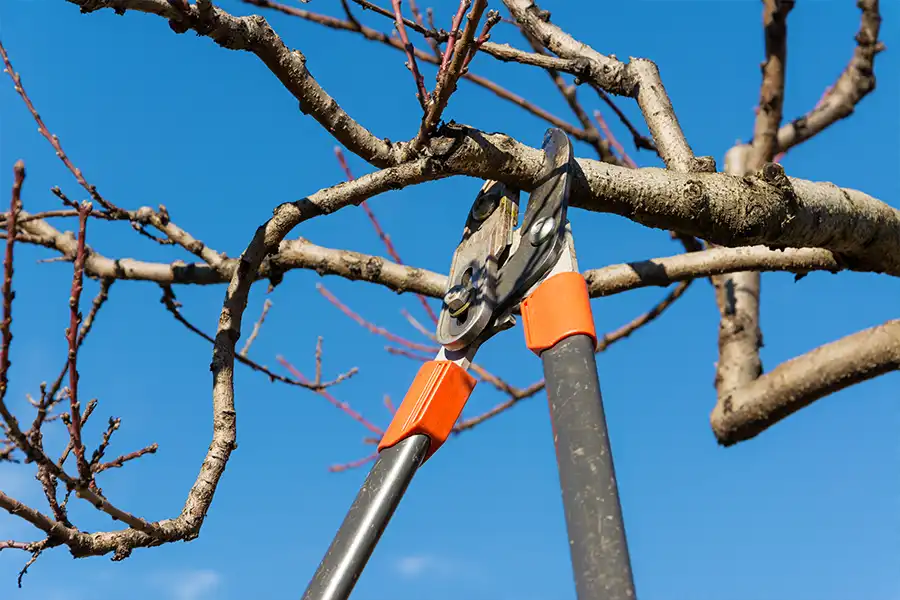
Spring is an excellent time to prune many types of trees, especially when removing dead or damaged branches. Proper pruning improves airflow, encourages healthy growth, and helps trees maintain a strong structure.
Pruning also allows sunlight to reach inner branches and surrounding plants, which benefits your entire landscape. However, it’s important that pruning is done correctly. Improper cuts or excessive trimming can stress a tree, making it vulnerable to disease. Professional arborists understand the proper techniques for pruning trees safely while supporting their long-term health.
Homeowners in Central Illinois often rely on professional tree pruning to remove hazardous branches and maintain the natural beauty of their landscape. Skilled pruning helps trees grow stronger while preventing future structural problems.
Check for Signs of Disease or Pest Activity
Spring is also the time when many tree diseases and pests begin to appear. Catching these issues early allows homeowners to protect their trees before damage becomes severe. Diseases and insect infestations often begin subtly, making early detection important. Common warning signs may include unusual leaf discoloration, holes in leaves, or small insects gathering on branches or bark.
Common issues to watch for include:
- Discolored or spotted leaves
- Early leaf drop
- Small holes in bark or leaves
- Sticky residue or sap buildup
- Visible insect activity
When pests or diseases are discovered early, treatment options are often more effective and less invasive. Professional arborists can identify the cause of the problem and recommend appropriate solutions to protect the tree’s health. Regular inspections are an important part of maintaining strong, healthy trees throughout the growing season.
Remove Dead or Hazardous Trees
While many trees recover well with proper care, some may become too damaged or diseased to save. Dead or severely weakened trees can pose a serious safety risk to homes, vehicles, and nearby structures.
Spring is an ideal time to evaluate whether any trees on your property should be removed before storms become more frequent during the summer months.
Warning signs that a tree may need removal include:
- Large dead branches throughout the canopy
- Significant trunk damage or hollow areas
- Leaning trees with exposed roots
- Evidence of internal decay
- Trees that have died completely
Removing hazardous trees protects your property and prevents potential accidents. Professional tree removal services ensure that trees are removed safely and efficiently without damaging nearby structures or landscaping. Experienced tree care professionals have the equipment and training needed to handle removals of all sizes.
Support Soil Health and Root Growth
Healthy trees depend on strong root systems, and spring is the perfect time to improve soil conditions around your trees. After months of cold weather, the soil may become compacted, limiting the flow of oxygen and nutrients to the roots.
Improving soil health allows roots to grow more effectively and absorb the nutrients needed for strong development year-round. Homeowners can support soil health by applying mulch around the base of trees. Mulch helps retain moisture, regulate soil temperature, and reduce weed or grass competition.
However, mulch should always be applied correctly. Placing mulch directly against the trunk can trap moisture and encourage decay. Instead, create a mulch ring around the tree, leaving the base of the trunk exposed. In some cases, professional tree care companies may recommend soil treatments or aeration to improve root health and support overall tree vitality.
Prepare Trees for Spring and Summer Storms
Central Illinois weather can be unpredictable, and spring often brings strong winds and thunderstorms. Trees with weak branches or poor structural balance are more likely to suffer damage during storms.
Preventative tree care can greatly reduce storm-related risks. Structural pruning removes weak or overextended branches that may break during high winds. It also helps maintain a balanced canopy, distributing weight evenly across the tree. Proper tree maintenance can protect not only the tree itself but also your home, driveway, and nearby power lines.
Many homeowners schedule storm-damage-prevention tree care in the spring to prepare their landscape before severe weather arrives. Preventative care is often far less costly than repairing damage caused by fallen branches or trees.
Schedule Professional Tree Inspections
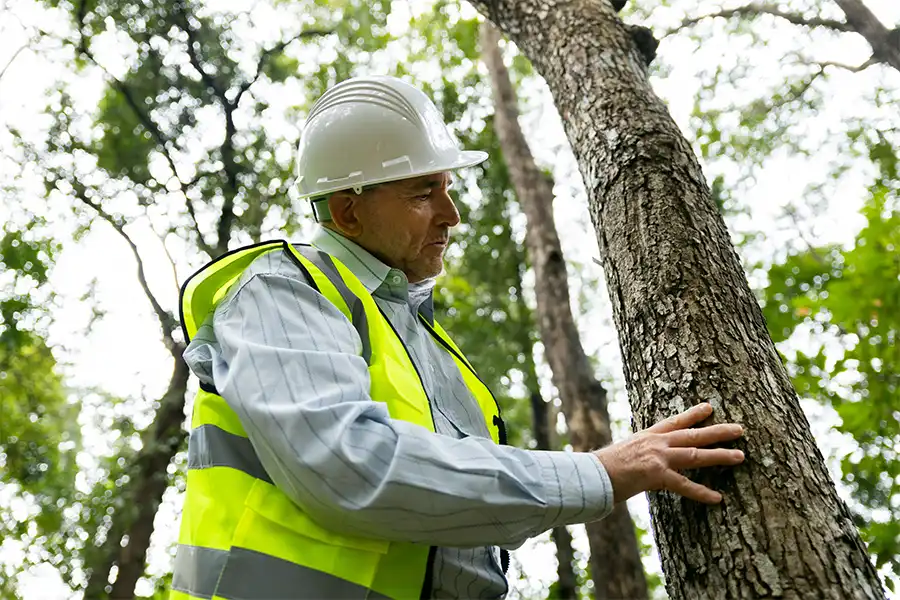
While homeowners can perform basic inspections, a professional tree evaluation provides a more detailed understanding of your tree’s health and structure. Experienced tree care specialists know how to identify early warning signs that may not be obvious to the untrained eye.
Professional inspections help determine whether trees require pruning, disease treatment, structural support, or removal. Early detection allows problems to be addressed before they become more serious or expensive. Kresse Tree Wurxx has years of experience providing reliable tree care services throughout Central Illinois. Our team understands the unique conditions that affect trees in this region and provides customized solutions for each property. Regular inspections ensure that your trees remain healthy, stable, and attractive year after year.
Contact Kresse Tree Wurxx today to schedule a professional tree care inspection for your property.
Why Central Illinois Homeowners Trust Kresse Tree Wurxx
Caring for trees requires knowledge, skill, and the right equipment. Kresse Tree Wurxx has built a strong reputation throughout Central Illinois for providing dependable and professional tree care services.
As a locally owned company, we understand the challenges trees face in this region—from winter storm damage to summer heat and seasonal pests. Our team takes pride in helping homeowners maintain safe, beautiful landscapes through expert care and honest recommendations.
Whether you need pruning, inspections, or stump grinding services, we are committed to delivering high-quality workmanship and dependable service. Homeowners trust Kresse Tree Wurxx because we focus on safety, reliability, and long-term tree health.
Keep Your Trees Healthy This Spring
Spring is the perfect time to give your trees the attention they need to thrive. By following a seasonal tree care checklist, homeowners can prevent potential hazards, improve tree health, and enhance the beauty of their property.
From inspecting winter damage to pruning branches and improving soil conditions, proactive tree care supports stronger growth year-round. If you want to ensure your trees receive expert attention this season, professional help can make all the difference.
Call Kresse Tree Wurxx at 217.306.2616 to schedule spring tree care services and keep your Central Illinois property safe, healthy, and beautiful.