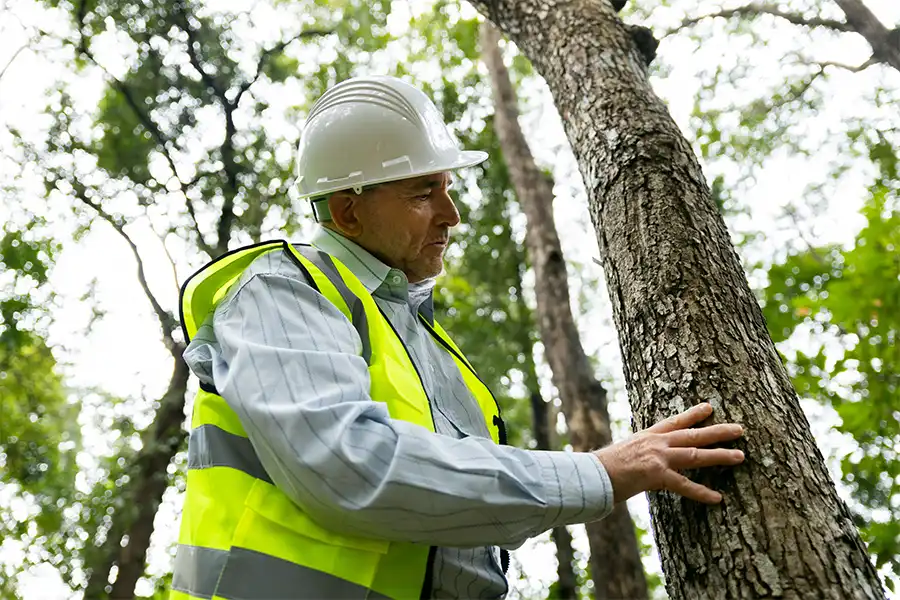
Severe storms are a common part of life in Central Illinois. High winds, heavy rain, hail, lightning, and even ice storms can cause obvious tree damage, such as broken limbs or fallen trees. However, not all storm damage is immediately visible. In many cases, trees may appear healthy after a storm while hiding structural weaknesses that can become dangerous weeks, months, or even years later. Hidden storm damage can compromise a tree’s stability, increase the risk of falling branches, and threaten nearby homes, vehicles, power lines, and people.
Recognizing the warning signs early is one of the best ways to protect your property and preserve healthy trees whenever possible. Professional inspections can identify damage that may not be visible to the untrained eye and help determine whether a tree can be saved through proper care or should be removed before it becomes hazardous. At Kresse Tree Wurxx, our ISA-certified Arborists provide professional tree removal, tree trimming, storm cleanup, hazardous tree assessments, plant health care, stump grinding, and other expert tree services throughout Central Illinois. With more than 20 years of experience, a fully insured crew, and professional-grade equipment, we help residential and commercial property owners keep their landscapes safe and healthy.
Storm Damage Isn’t Always Obvious
After a storm passes, many property owners look for fallen branches or trees lying on the ground. While these problems certainly require immediate attention, hidden structural damage often develops without any obvious external signs.
Strong wind can twist trunks, stretch root systems, crack major limbs, and weaken branch unions without causing immediate failure. Heavy rain may saturate the soil, reducing root stability, while lightning strikes can damage internal wood even if the bark appears relatively normal. Trees that survive the initial storm may continue declining over time as hidden injuries worsen.
Scheduling a professional inspection after severe weather helps identify problems before they become emergencies. Early intervention often allows arborists to recommend corrective pruning, cabling, or other treatments that improve safety while, whenever possible, preserving valuable trees.
Watch for Cracks in the Trunk or Major Branches
One of the most serious indicators of hidden storm damage is the presence of cracks along the trunk or large scaffold branches. These cracks may appear as narrow splits in the bark or extend deep into the underlying wood.
Wind stress frequently causes internal fractures that weaken a tree’s structural integrity. Even small cracks can expand over time as the tree continues growing or experiences additional storms. Left untreated, these weakened areas may eventually fail without warning.
Pay close attention to:
- Vertical trunk cracks
- Splits where large limbs attach
- Bark separating from the trunk
- Fresh exposed wood
- Cracks accompanied by sap leakage
If you notice any of these warning signs, avoid standing beneath the affected tree and contact a qualified arborist promptly for a professional evaluation.
Leaning Trees May Signal Root Damage
Not every leaning tree is dangerous. Some trees naturally grow at slight angles throughout their lives. However, if a tree suddenly begins leaning after a storm, the root system may have been compromised.
Strong winds can partially uproot trees by tearing fine roots or shifting the soil beneath them. Saturated ground following heavy rainfall increases the likelihood of this problem, as weakened roots lose their ability to anchor the tree securely.
Signs of root damage include newly exposed roots, cracked soil around the base, lifted ground on one side of the trunk, or a noticeable change in the tree’s angle. Trees with compromised root systems often become increasingly unstable during future storms, making professional assessment essential for protecting nearby structures and people.
Hanging or Broken Limbs Create Serious Hazards
Broken branches that remain suspended in the canopy are often called “widowmakers” because they can fall unexpectedly long after a storm has ended. These hanging limbs may appear stable, but can be dislodged by wind, additional rain, or even normal tree movement.
Even smaller branches can cause property damage or serious injuries if they fall unexpectedly. Larger limbs may place additional stress on healthy portions of the tree, increasing the likelihood of further breakage.
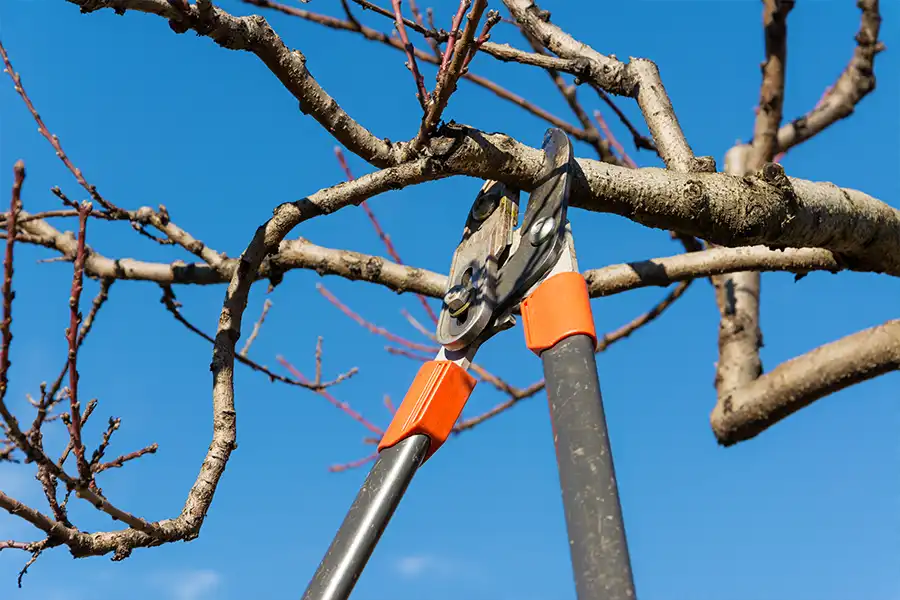
Professional crews have the specialized equipment and training necessary to safely remove damaged limbs without causing unnecessary harm to the remaining tree. Attempting to remove large hanging branches yourself can be extremely dangerous, particularly when working near power lines or elevated limbs.
Leaf Changes Can Reveal Hidden Problems
Leaves often provide valuable clues about a tree’s overall health after severe weather. Although some leaf loss is normal following storms, unusual changes may indicate more serious structural or vascular damage.
Watch for symptoms such as:
- Wilting or Browning Leaves – Damaged roots or vascular tissue may limit water movement throughout the tree.
- Early Leaf Drop – Premature defoliation can signal stress caused by storm-related injuries.
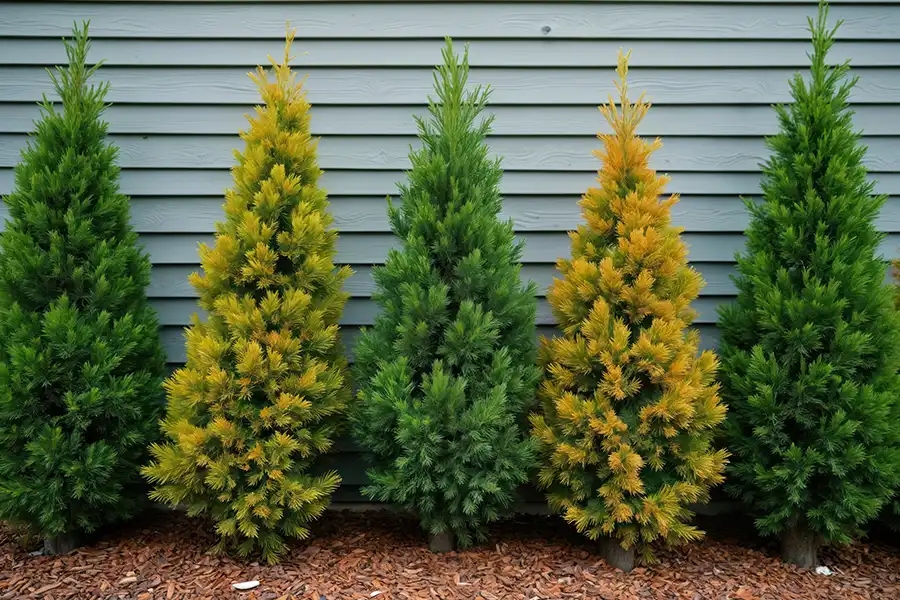
- Sparse Canopy Growth – Sections of the canopy failing to produce healthy leaves may indicate damaged branches or internal decay.
- Dead Branch Tips – Dieback often develops when storms weaken branches.
Because these symptoms may not appear immediately, monitoring your trees for several weeks after severe weather is important.
Damaged Bark Should Never Be Ignored
Bark serves as a tree’s protective barrier against insects, disease, moisture loss, and environmental stress. Storms frequently strip bark from trunks or branches when limbs rub together or when flying debris strikes the tree.
Even relatively small bark injuries create openings where insects, fungi, and decay organisms can enter the tree. Over time, internal rot may spread well beyond the original wound.
Professional arborists evaluate bark damage to determine whether the tree can naturally compartmentalize the injury or if additional care is needed. Proper pruning and ongoing monitoring often help reduce long-term problems while preserving otherwise healthy trees.
Lightning Damage Can Be Difficult to Detect
Lightning strikes don’t always split trees dramatically down the middle. In many cases, lightning travels beneath the bark or through moisture within the tree, causing extensive internal damage that remains largely hidden.
Possible signs of lightning damage include:
- Long vertical bark scars
- Strips of missing bark
- Sudden wilting in part of the canopy
- Cracked branches
- Internal decay developing months later
Trees affected by lightning may survive initially but gradually weaken as hidden damage progresses. Professional inspections help determine whether the tree remains structurally sound or poses future safety concerns.
Internal Decay Often Follows Storm Damage
Storm injuries create opportunities for fungi and decay organisms to enter the tree. Once decay begins, the tree’s structural strength gradually declines from the inside out.
Unfortunately, internal decay frequently develops without obvious external symptoms until significant damage has already occurred.
Warning signs may include:
- Mushrooms growing near the base
- Hollow sounds when tapped
- Cavities forming in the trunk
- Large dead branches
- Unusual insect activity
ISA-certified Arborists understand how to evaluate these symptoms and recommend appropriate treatment or removal when necessary. At Kresse Tree Wurxx, hazardous tree assessments help property owners identify structural concerns before they become dangerous.
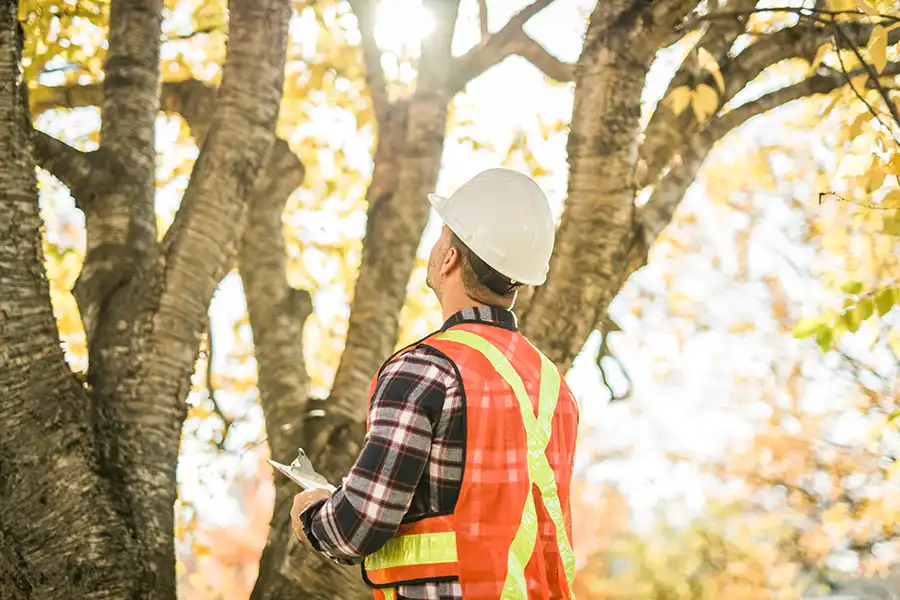
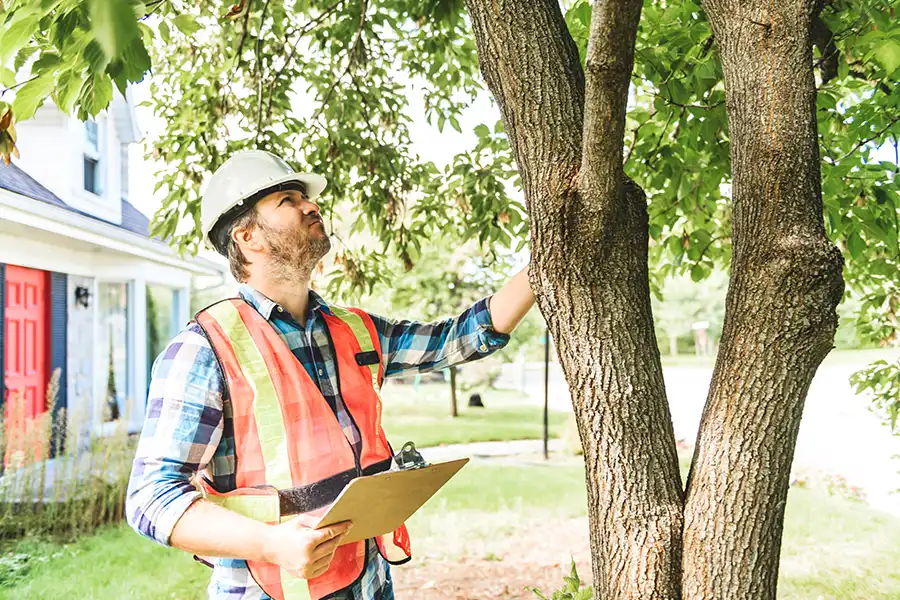
Professional Tree Inspections Protect Your Property
Following major storms, professional tree inspections provide peace of mind while helping prevent future emergencies. Certified arborists understand tree biology, structural defects, disease progression, and proper pruning techniques that support long-term tree health.
A comprehensive inspection may include evaluating:
- Trunk stability
- Root condition
- Branch attachments
- Structural defects
- Signs of disease or insect activity
- Storm-related injuries
- Overall tree health
Not every damaged tree requires removal. In many cases, corrective pruning, cabling, plant health care, or ongoing monitoring can preserve valuable trees while reducing future risks. Kresse Tree Wurxx provides honest recommendations based on each tree’s condition, helping homeowners make informed decisions about their landscape. Contact our team today to schedule a tree inspection.
Healthy Trees Provide Lasting Benefits
Proper tree care is about much more than preventing storm damage. Healthy trees contribute significant environmental, aesthetic, and financial benefits to residential and commercial properties throughout Central Illinois.
Well-maintained trees provide: improved curb appeal, higher property values, shade that reduces cooling costs, better stormwater management, cleaner air and oxygen production, wildlife habitat, reduced soil erosion, and more enjoyable outdoor living spaces.
Routine trimming, hazard assessments, plant health care, and timely removal of compromised trees all contribute to a safer, healthier landscape that continues benefiting your property for decades.
Why Professional Tree Care Matters After Every Storm
Storm-damaged trees often require specialized equipment and advanced knowledge to evaluate safely. Climbing unstable trees, cutting damaged limbs, or removing leaning trees without proper training can place both people and property at serious risk.
Kresse Tree Wurxx proudly serves homeowners, businesses, municipalities, golf courses, and property managers throughout Central Illinois with comprehensive tree care services. Our experienced team provides tree trimming, tree removal, emergency storm cleanup, stump grinding, lot clearing, plant health care, and hazardous tree assessments using professional-grade equipment while following strict safety procedures. Our goal is always to protect your property while preserving healthy trees whenever possible.
Schedule a Professional Tree Inspection with Kresse Tree Wurxx
Storm damage isn’t always easy to recognize, but ignoring hidden tree problems can lead to costly property damage, personal injury, or the need for emergency tree removal later. By recognizing early warning signs such as trunk cracks, leaning trees, hanging limbs, bark damage, root problems, and declining foliage, you can address concerns before they become dangerous. Routine inspections and professional tree care help preserve healthy trees while protecting your family, home, and investment.
Whether you need storm cleanup, expert tree trimming, hazardous tree removal, stump grinding, or a professional tree health assessment, Kresse Tree Wurxx is here to help. Our ISA-certified Arborists proudly serve residential and commercial customers throughout Central Illinois with dependable, safety-focused tree services backed by decades of experience.
Call Kresse Tree Wurxx at 217.306.2616 to schedule a professional tree inspection or tree service and keep your property safe, healthy, and beautiful after every storm.